
TL;DR
baby, oh please!

The Michael Jackson Problem
Okay, hear me out, because this one’s going to sound unhinged for a second before it (hopefully) lands.
I’ve recently fallen into a Michael Jackson rabbit hole. Not the documentary, not the biopic everyone’s talking about but a 54-minute podcast by some guy explaining his life. And the whole time I was listening I kept having this weird double feeling.
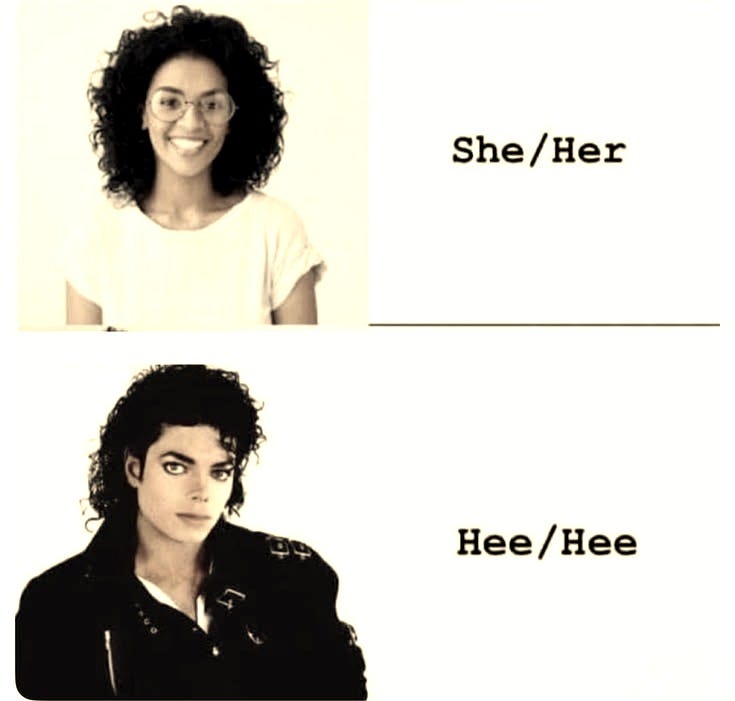
Like, I now know things. I know the timeline, the Grammy moments, the controversies, the cultural weight of it all. And also, I wasn’t there. I missed every pun that was funny at the time, every reaction that became famous because of how it felt in the room. I have the information. I don’t have the experience.
I wasn’t there for the Grammy speeches. I wasn’t there for the jokes people made the next day. I wasn’t there when people argued about him in real time, in the cafeteria or on TV or wherever people argued about things in the 80s. I wasn’t there for any of it.
And that’s what felt strange. Because for fifty-four minutes, I knew everything. And somehow I still felt like I’d missed the point.
I don’t have an internal monologue, by the way — or rather, I have an internal dialogue. Two voices, constantly negotiating. And one of them said “this is exactly what a TL;DR is” and the other said “okay but is that bad, though? You learned things either way” and they’ve been arguing about it for days now, which is unfortunately how most of my thinking happens.
The First Book I Loved
When I was twelve I read Everything, Everything by Nicola Yoon. I’m fairly sure I was too young for it. I also picked it up because I liked the cover, which sorry (not sorry) is a completely valid reason to read a book when you’re twelve.
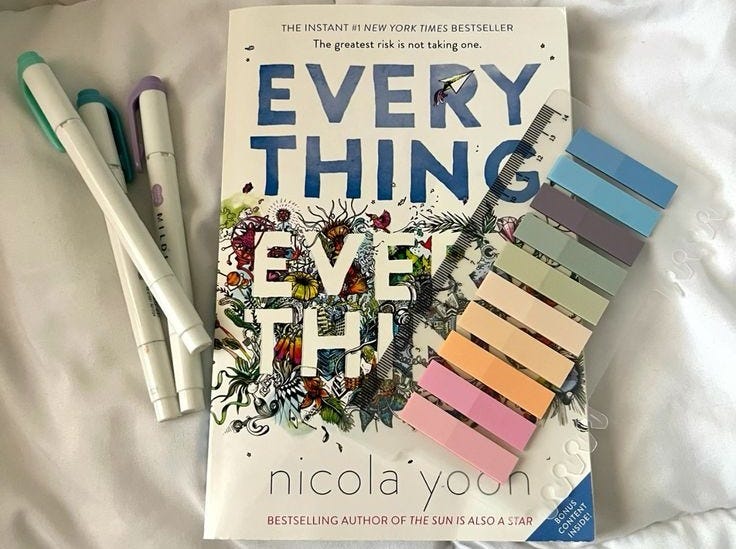
The main character lives in this white-on-white room, can’t leave, and there’s a boy next door, and eventually a road trip to the coast, sunsets, all of it. I think about that book a lot less for the plot and a lot more for the texture of it — the chapters, the way it was laid out, the feeling of wanting something you can’t quite name yet.
I still struggle to explain what that book changed in me. Every time I try, I end up sounding vaguely insane, something like
“it made me want to want things more vividly,”
which, yes, I’m aware is not a sentence that would survive peer review.
(Spoiler Alert: Move to next section now)
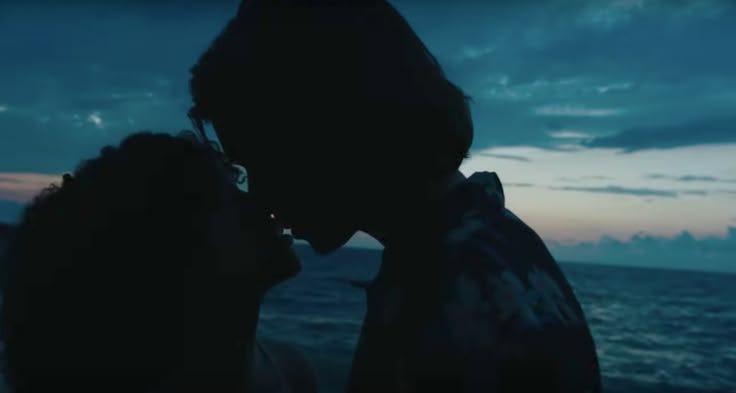
But it’s true. If you’d shown me a summary instead: girl with immune disorder falls for boy next door, sneaks out, things happen; I would have gotten the plot. I would not have gotten whatever this gave me, which I still can’t fully name almost later.
On Commitment
Someone suggested to me recently that books weren’t special.
Exactly. That they’re just one format among many, no more meaningful than a video essay covering the same ground in a third of the time. And I got genuinely, disproportionately annoyed. Way more than the comment deserved.
I sat with why for a bit, and I think it’s this: a book asks something of you that a summary doesn’t. It asks for time, sustained and uninterrupted, with no guarantee of payoff until you’re already deep in. You can’t skim Crime and Punishment and get the guilt. You can’t speed-run War and Peace and get the scale of it.
The commitment isn’t incidental to the experience — it is the experience.
Strip it out and you’ve gotten a different thing entirely, one that happens to share a plot with the original.
What Books Actually Give Us
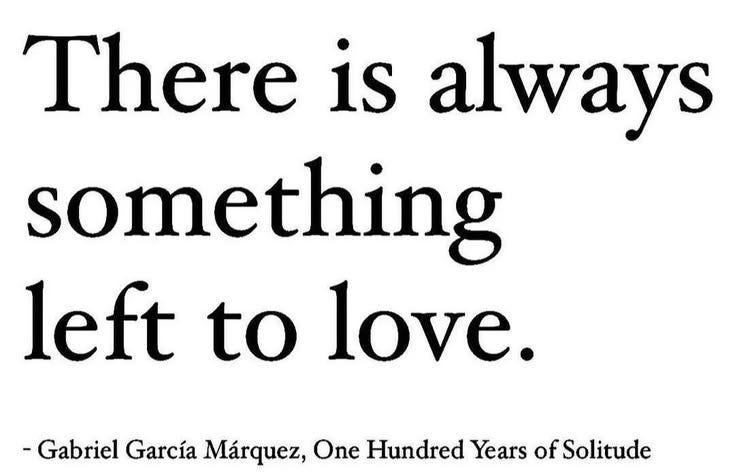
This is where One Hundred Years of Solitude comes in.
What that book did wasn’t really give me a lesson. It was more like zooming out in time and watching people make the same mistakes, not in some grand political sense, but in their love lives, their families, their own natures just overwhelming them as time goes on. It operates on a level that’s almost under logic. The novel didn’t help me predict the future. It helped me recognize recurring human stories; patterns I’d half-noticed in my own life without having language for them.
Someone else reading that same book might walk away thinking entirely about loneliness. Someone else about memory. Someone else about family specifically, not time at all. The book doesn’t hand you the conclusion. It hands you the material and steps back. “A family experiences cyclical tragedy over generations” is true, technically, and somehow says nothing.
Canon Events
My last year, looking back, has basically been a year of canon events. My friends started dating. I’d had some sense it was coming, somewhere along the way, but the speed of it still caught me off guard.

Friend groups shifted, the way they do. Online communities I’d been part of changed shape, fractured, reformed. And at home, the same family arguments came back around, slightly different wording, same underlying shape, the “we’re progressive, but” conversations that never quite progress anywhere.
None of it was a surprise, exactly. The strange thing was that literature had made these patterns feel familiar before life did. Not because books predict the future; they obviously don’t, nobody’s that good. But because people keep finding new ways to repeat old stories, and once you’ve watched a family do that across a hundred years and several generations in a novel, you start recognizing the shape of it in your own much smaller life, in real time, as it’s happening to you.
The Empty Dorm Room
Last month my semester exams ended and my dorm room was empty. I put on loud music and danced for hours. South Indian classical, Michael Jackson, whatever I felt like learning that night. I even built ridiculous costumes to record some of it.
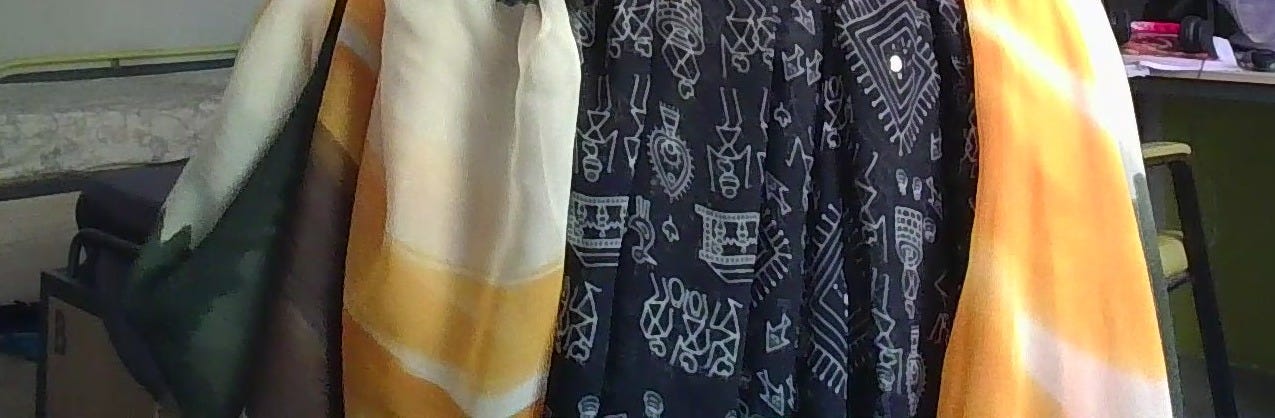
Looking back, nothing particularly important happened that night. But I remember it more clearly than entire weeks of scrolling.
Nobody summarized it for me. I had to be there.
The Hilltop
A few weeks ago I was stuck on a hilltop during a trek with a dead phone and no clue where I was supposed to go next. It sounds much more romantic in hindsight than it felt in the moment. At the time I was mostly annoyed.
But eventually there was nothing left to do except sit there and look around.
That’s what I keep coming back to. The moments I remember most are usually the ones nobody could summarize for me while I was living them. Not because they were dramatic, most of them weren’t. Because I had to actually be in them, with no version of events arriving ahead of the experience to tell me what to feel about it.
The Real Danger of a TL;DR World
We are not short on information. We are drowning in it. TL;DRs, Shorts, recaps, AI summaries, TikToks explaining books, reviews of reviews of reviews. Herbert Simon said it best, decades before any of this existed: a wealth of information creates a poverty of attention.
But the part that actually worries me isn’t the amount. It’s that every summary is already an interpretation. A review is an interpretation. A recap is an interpretation.
A TikTok explaining Anna Karenina is an interpretation of an interpretation of an interpretation,
and by the time it reaches you, someone else has decided what the book means before you’ve engaged with a single sentence of it.
Milan Kundera thought the entire purpose of the novel was to explore ambiguity and modern discourse really does not like ambiguity. Everything gets sorted into good or bad, right or wrong, problematic or not. Anna Karenina, The Brothers Karamazov : full of people who are contradictory and unresolved, the way actual humans are. Algorithms hate that. Contradiction doesn’t compress.
The same novel creates different readers.
The same summary creates identical ones.
Maybe that’s why I get annoyed when people tell me the ending before I’ve had the chance to live through the middle. It’s a small life. I’d rather experience it badly myself than perfectly through somebody else’s summary.
Maybe that’s why I’ll still print photographs. Every year I want to make a physical album of the moments that mattered. The candid ones. The conversations. The missed trains. The terrible photos. The hilltops. The people who showed up and the people who left.
A summary could tell me what happened that year. The album reminds me what it felt like.
Literature survives for the same reason. Some things lose their meaning when compressed.
P.S: I read so much about the research behind it. A factual essay coming right up this week. Stay tuned!